



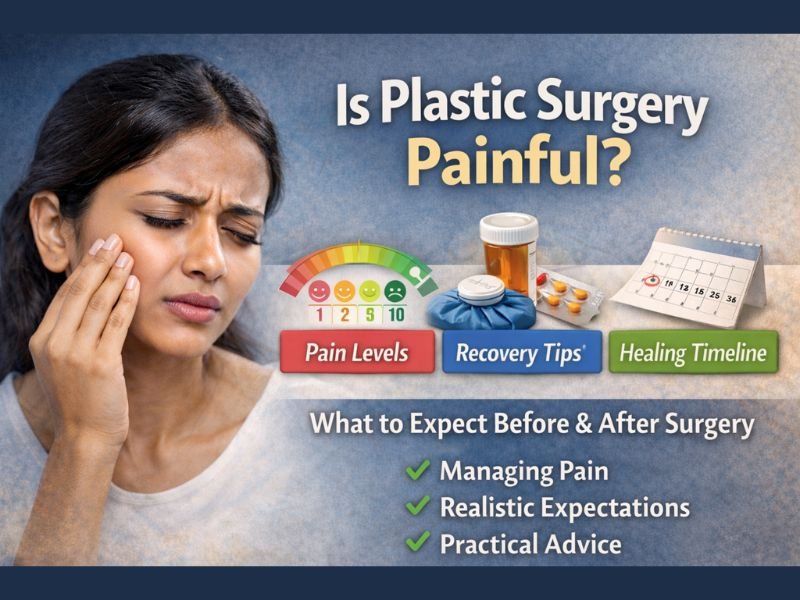
Is plastic surgery painful?
Thinking about cosmetic or reconstructive surgery but worried about pain is extremely common, especially among Indian patients. Friends, family, and the internet often share dramatic stories, so it is natural to wonder, Does plastic surgery hurt, how strong will the plastic surgery pain be, and what will the plastic surgery pain level feel like day to day? Many people considering cosmetic procedures ask, “Is plastic surgery painful in India, or has modern medicine made it manageable?”
At Airmid Hospital, we hear this question every day during consultations with patients from across Delhi and beyond. In this guide, titled “Is plastic surgery painful?”, we will break down what you actually feel during and after surgery, how doctors control plastic surgery recovery pain, and what the plastic surgery healing process looks like from day one to complete recovery. This blog focuses on the Indian context, explaining realistic timelines, mental health aspects, and practical tips so you can make an informed decision with confidence.
Is Plastic Surgery Painful for Indian Patients?
Pain perception varies between individuals, but for most healthy people, surgery today is far less uncomfortable than they expect. So, is plastic surgery painful or not for Indian patients today? With modern medicines, careful monitoring, and better education, most patients describe their Pain after plastic surgery as mild to moderate, strongest in the first few days and steadily improving during the first week.
What Does Pain Feel Like During Plastic Surgery?
Thanks to modern anesthesia, you should not feel sharp pain during the procedure itself. With general anesthesia or deep sedation, you are asleep or unaware; with local anesthesia plus sedation, the area is numb. With modern anesthesia, many patients ask their surgeon, “Is plastic surgery painful with anesthesia, or will I feel anything during the operation?” In reality, Pain during plastic surgery is usually limited to a brief burning or pressure while the anesthetic is injected, and good technique keeps plastic surgery anesthesia pain minimal. Beyond those seconds, true pain during plastic surgery is extremely rare.
How anesthesia keeps you comfortable
- Local anesthetic injections around nerves or incisions to start the process of pain-free plastic surgery in the recovery room.
- Short‑term tablets, including anti‑inflammatory medicines and, when truly needed, mild opioids, as part of structured pain management after plastic surgery.
- Non‑drug methods such as ice packs, elevation, and gentle movement.
- Safe plastic surgery procedures and Advanced plastic surgery techniques that minimise tissue trauma and bleeding, reducing the amount of plastic surgery recovery pain you feel.
How Long Does Pain Last After Plastic Surgery?
In the first 24–72 hours, soreness and tightness are usually strongest. Most people find that sitting up, walking a little, and taking prescribed medicines make this manageable. A common question is, “Pain after plastic surgery: how long will it bother me?” For most routine procedures, how long does the pain last after plastic surgery is typically a few days of noticeable discomfort, followed by one to two weeks of mild aches. Surgeons often describe the typical plastic surgery pain duration as similar to a muscle strain rather than a broken bone, and plastic surgery pain recovery time depends on the exact operation and your overall health. Good plastic surgery pain recovery includes graded activity, rest, and following your doctor’s instructions.
Is Pain the Same for All Types of Plastic Surgery?
Pain varies with different types of plastic surgery, your body type, and your pain threshold. Operations that tighten muscles (such as a tummy tuck) usually cause more soreness than skin‑only procedures like eyelid surgery. Many people ask, How painful is plastic surgery overall? On a 0–10 scale, most describe the first days as a 3–5, dropping to 1–2 within a week. Breast procedures, liposuction, and rhinoplasty each have their own pattern of Plastic surgery before and after pain, so your surgeon will explain what to expect for your specific operation.
Pain vs Discomfort: What Is Normal After Surgery?
Much of what people label as pain after an operation is actually discomfort from swelling and tight tissues. Understanding plastic surgery discomfort vs pain helps you avoid unnecessary worry. Normal Plastic surgery pain feels like a bruised or stretched area that improves with rest and prescribed tablets. Ongoing, sharp, or worsening plastic surgery pain that prevents you from sleeping or moving despite medicines should be reported to your surgeon.
Does Plastic Surgery Pain Affect Daily Life and Work?
In the first few days, you will need to slow down. Most people spend this time resting at home, taking short walks indoors, and focusing on self‑care. For many, daily life after plastic surgery returns to near normal within one to two weeks, depending on the procedure. Short‑term pain after plastic surgery may make it hard to lift heavy objects or commute long distances, so plan for help with children, household tasks, and office work.
When Can You Resume Normal Routine After Plastic Surgery?
Resuming normal activities is part of the plastic surgery healing process. Light office work is usually possible within 7–14 days, while strenuous exercise may need to wait 4–6 weeks. Your surgeon will tailor advice based on your operation, overall health, and plastic surgery pain recovery time; pushing too hard, too soon can increase plastic surgery recovery pain and swelling.
How Do Doctors Manage Pain After Plastic Surgery?
Modern Post-plastic surgery pain management focuses on keeping you comfortable enough to move, breathe deeply, and sleep. The surgical team at Airmid Hospital uses multimodal strategies so that no single drug has to do all the work.
- Local anesthetic injections and nerve blocksare given during surgery.
- Short‑term tablets and other medicines are scheduled around the clock.
- Non‑drug options such as ice, elevation, and relaxation techniques.
- Close follow‑up so doses can be adjusted if needed.
Choosing the Best plastic surgery hospital means access to anesthesiologists and nurses experienced in these protocols, which directly improves your comfort.
What Kind of Pain Is Normal and What Is Not?
Normal symptoms include swelling, bruising, a feeling of tightness, and a dull ache that improves with medicines and rest. Your surgeon will explain the expected plastic surgery pain level for your procedure and how long these sensations should last. Sudden, severe Pain after plastic surgery, new shooting pains, fever, foul‑smelling discharge, or one side becoming much more swollen than the other are warning signs that you should contact your doctor immediately.
Psychological Impact of Pain After Plastic Surgery
In addition to physical discomfort, some people notice unexpected mental effects after plastic surgery. The psychological impact of plastic surgery can include mood swings, irritability, or regret in the first week, especially while swelling is high and you are dependent on others. Access to mental and emotional support after plastic surgery—through your surgeon, nursing team, family, or counselling—can make this phase much easier.
Is It Normal to Feel Anxious or Low After Surgery?
Yes. Temporary anxiety after plastic surgery is very common, especially in the evenings or when you are tired. Worrying about results, work, or whether the pain is normal can feel overwhelming. If you have a strong fear of plastic surgery pain or you are concerned that plastic surgery is safe and painful for someone like you, discuss this openly before the operation, so your team can prepare a plan, including reassurance, clear instructions, and, when needed, short‑term medication for sleep or anxiety.
How Family Support Helps in Recovery After Plastic Surgery
Practical and emotional support from family or close friends can significantly speed recovery. Having someone to help with bathing, cooking, childcare, and dressing reduces strain on your incisions and lowers your perception of plastic surgery pain. Equally important, a supportive companion can remind you that your swelling, bruising, and temporary low mood are expected stages of healing.
Home Care Tips to Reduce Pain After Plastic Surgery
Good home care after plastic surgery is one of the easiest ways to control discomfort. Here are practical tips on how to reduce pain after plastic surgery:
- Take medicines exactly as prescribed—do not wait until pain is severe.
- Use cold packs and elevation as advised to reduce swelling.
- Sleep in the recommended position to protect incisions.
- Eat light, protein‑rich meals and drink plenty of water.
- Avoid smoking and alcohol, which slow the plastic surgery healing process and increase complications.
- Call your clinic if your pain suddenly worsens or if you have concerns.
Common Fears Indian Patients Have Before Plastic Surgery
Before surgery, many people worry most about pain, scars, and safety. Patients often ask the same questions: Does plastic surgery hurt more than childbirth or a fracture? Will I wake up in the middle of the operation, and is plastic surgery safe and painless with today’s technology? Clear explanations from an experienced, Expert plastic surgeon and a Certified plastic surgeon help replace vague fear with realistic expectations.
Myths About Pain and Plastic Surgery in India
In India, social media and films sometimes exaggerate the suffering involved in cosmetic procedures. Myths about plastic surgery pain include ideas that you will be bedridden for months, that scars will always be obvious, or that only celebrities can tolerate the process. In reality, most healthy patients walk on the same day, use simple tablets for a short period, and return to normal routines far sooner than expected.
Can Plastic Surgery Pain Be Completely Avoided?
Eliminating every sensation is unrealistic, but pain can be greatly reduced. With careful planning, attentive nursing, and realistic expectations, many patients describe their experience as more of soreness and fatigue than true pain. Advanced anesthesia, nerve blocks, and gentle surgical technique have moved us closer to the idea of pain-free plastic surgery, even though a perfect plastic surgery experience cannot be guaranteed for everyone.
What Doctors Want You to Know About Pain and Healing
When people simply ask, “Is plastic surgery painful?” the honest answer is that pain is usually moderate and short‑lived when operations are properly planned. Surgeons design Safe plastic surgery procedures, choose incisions carefully, and use Advanced plastic surgery techniques that respect blood supply and nerves. Following instructions about rest, activity, diet, and wound care is just as important as the operation itself for a smooth plastic surgery healing process.
How Mindset Affects Pain and Recovery After Surgery
Your thoughts strongly shape how you experience discomfort. If you constantly scroll through worst‑case stories online, the question “Is plastic surgery painful?” may start to feel terrifying, even when your doctor reassures you. Focusing instead on breathing exercises, positive expectations, and the benefits you hope to gain can lower stress hormones and reduce how intensely your brain interprets pain signals.
Warning Signs Related to Pain You Should Not Ignore
While some soreness is expected, certain symptoms mean you should seek medical help promptly. Contact your surgeon or emergency services if you notice:
- Sudden increase in pain after plastic surgery that does not respond to medicines.
- Severe swelling, redness, or warmth around incisions.
- High fever, chills, or foul‑smelling discharge.
- Chest pain, shortness of breath, or calf swelling.
- Persistent sadness, panic, or thoughts of self‑harm.
Is Plastic Surgery Worth the Temporary Pain?
For most people who prepare well and choose the right team, the realistic answer to “Is plastic surgery painful?” is that it is manageable and temporary. The improvements in function, confidence, and quality of life usually far outweigh a few days of soreness. When you see your own plastic surgery before and after pain memories fade quickly as swelling settles and final results appear.
Conclusion
Pain around surgery is real, but in most cases, it is temporary, controlled, and far less dramatic than many online stories suggest. If you still find yourself wondering, “Is plastic surgery painful?” after reading this guide, remember that your experience will depend on your health, the procedure chosen, and how closely you follow medical advice. Open conversations with your surgeon, realistic expectations, and good support at home are the keys to both physical comfort and emotional recovery after plastic surgery.
Airmid Hospital is a leading Plastic Surgery Hospital in Delhi and a trusted Cosmetic surgery hospital in Delhi for patients seeking safe, modern cosmetic and reconstructive care. Our team includes the Best plastic surgeon in Delhi, supported by a multidisciplinary staff, so you receive coordinated care from consultation to follow‑up. Whether you are looking for a Plastic surgery specialist in Delhi, a Plastic surgery specialist in Rohini and Rithala, Airmid Hospital offers personalised guidance and Safe plastic surgery procedures tailored to your goals. To discuss your options, understand your personal pain risks, and see why many consider Airmid Hospital the Best plastic surgery hospital for compassionate care, contact us today or visit our Google Business Profile to schedule a consultation.