


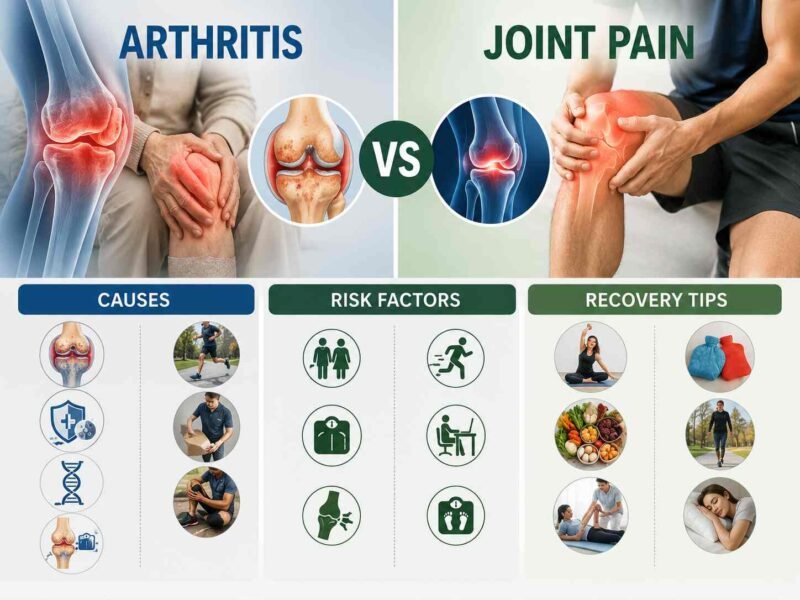
Joint pain can make everyday things difficult. You begin to feel like you’re working out when you’re climbing stairs. Too much sitting will make it uncomfortable. Just opening a jar might test your patience. Arthritis is not to be confused with pain in your joints. Knowing the difference can assist you in selecting treatment at the right time.
When looking for a reliable joint replacement specialist in Rohini, the diagnosis of the condition early can save you from years of discomfort. Many patients only go to specialists when their pain interferes with daily activities. Usually by that time the damage is more difficult to deal with.
This guide will help to distinguish arthritis vs joint pain, its causes, risk factors, symptoms, and recovery tips. Also, you will be informed when it is time to get professional orthopedic treatment.
What Is Joint Pain?
Joint pain is the term used for pain, stiffness or soreness in any of the joints of the body. It can be related to knees, hips, shoulders, fingers, or ankles. The pain can persist for several days at times. Otherwise it is chronic.
Affecting the joints themselves is not a disease. It’s typically caused by another problem, like an injury, inflammation, overuse or infection.
Common symptoms include:
- Effusions around the joint
- Problems with moving the joint
- Mild to severe pain
- Warmth or redness
- Stiffness following rest.
There is an old saying that goes “age equals pain”. That makes for a convenient explanation, but it’s time for your joints.
Also Read : How to Correct Bow Legs in Adults: Exercises, Treatment & Recovery Tips
What Is Arthritis?
Arthritis is a disease in which the joints of the body become inflamed and damaged. Consists of over 100 different types of disorders. There are two main types: Osteoarthritis and Rheumatoid Arthritis.
Arthritis tends to be a gradual process. Early warning signs are often overlooked by many patients because the pain is intermittent in the first few weeks. As time passes, cartilage damage becomes greater and getting around becomes more difficult.
Musculoskeletal conditions are one of the major causes of disability globally, according to the World Health Organization. Mobility problems are a frequent and significant aspect of arthritis, and chronic pain is also common.
Types of Arthritis
Osteoarthritis
Osteoarthritis occurs as a result of deterioration of cartilage with time. Most often it occurs in older adults, although it can occur in younger adults who sustain injuries or are obese.
Common signs include:
- Knee pain
- A grinding sensation when moving.
- Reduced flexibility
- Stiffness in joints in the morning.
Rheumatoid Arthritis
RA is an autoimmune disease. The body’s immune system targets normal joint tissue. Usually starts in small joints before it progresses to larger ones, including fingers and wrists.
Symptoms may include:
- Fatigue
- Swollen joints
- Pain that is even on both sides of the body
- Persistent inflammation
Arthritis vs Joint Pain: Key Differences
Many people use the terms interchangeably, but they differ in important ways.
| Factor | Joint Pain | Arthritis |
| Definition | A symptom | A medical condition |
| Duration | Temporary or chronic | Usually long-term |
| Cause | Injury, strain, infection | Inflammation or degeneration |
| Swelling | Sometimes | Common |
| Joint Damage | Not always | Often progressive |
| Treatment | Depends on cause | Requires long-term management |
Think of it this way. Joint pain is like a warning light in your car. Arthritis is one of the serious engine problems causing that light to appear.
Common Causes of Arthritis and Joint Pain
1. Aging
Cartilage naturally thins out as people get older. Changes in bone density also occur over time, which makes the joints become stiff and increases the risk of developing osteoarthritis.
2. Obesity
The extra weight strains the joints, particularly the knees and hips. Weight loss, no matter how little, can substantially decrease joint stress.
3. Injuries
Traumatic injuries, fracture or repetitive strain may result in chronic orthopedic issues. The old injuries will return years later as if it’s a guest that had no “social” sense.
4. Autoimmune Disorders
Some diseases, such as RA, cause chronic inflammation in the joint.
5. Poor Lifestyle Habits
Risk factors that can affect bone health and cause inflammation include smoking, inactivity and poor nutrition.
Risk Factors You Should Never Ignore
There are a few reasons why you might be more likely to experience arthritis joint pain:
- Having a family history of arthritis.
- Sedentary lifestyle
- Obesity
- Diabetes
- Previous joint injuries
- Weak muscles that surround the joints.
- Poor posture
Rheumatoid arthritis affects women more often than men as well.
In case of discomfort in the joints that persists beyond a few weeks, it is important to go to the best hospital in Rohini for its correct evaluation. Prompt treatment can sometimes reduce joint damage and improve the results of treatment.
Symptoms That Need Medical Attention
Some people put off treatment because they think that pain will go away on its own. Unfortunately, chronic joint inflammation isn’t often a gentlemanly caller.
If you have any of the following symptoms, visit an orthopedic specialist:
- Persistent knee pain
- A swelling which fails to improve.
- Difficulty walking
- Stiffness of the joints for more than 30 minutes.
- Immediate inability to move (after a stroke)
- Warm or red joints
Airmid Hospital orthopedic specialists can pinpoint the cause with imaging tests, physical exams and lab investigations. Patients who are looking for a Joint Replacement Specialist in Rohini online tend to go for reputed healthcare providers who have a proven presence on Google Business with a strong orthopedic background to avail access to their physical location and book appointments.
How Doctors Diagnose Arthritis and Joint Pain
Typically, physicians use multiple techniques to confirm the diagnosis.
Physical Examination
The doctor examines swelling, flexibility, tenderness and restriction of motion.
Imaging Tests
X-rays and MRI can be used to identify structural issues, cartilage damage and inflammation.
Blood Tests
Autoimmune diseases such as rheumatoid arthritis are diagnosed by blood tests.
Bone and Joint Assessment
Orthopedic doctors will also examine posture, muscle strength and bone density.
It helps to get a better diagnosis and tailor treatment plans to the individual patient by selecting the best hospital in Rohini that has experienced orthopedic staff.
Recovery Tips for Better Joint Health
The prognosis depends on the underlying disease. However, there are a number of evidence-based ways to help keep joints healthier and improve mobility.
Stay Physically Active
Low impact exercise (walking, swimming, biking and other activities) help to maintain flexibility and muscle support.
Focus on Weight Management
Losing extra weight helps to remove the pressure on joints and reduces inflammation.
Try Physical Therapy
Physiotherapy enhances movement, builds up muscles and aids recovery from injuries or operations.
Eat Anti-Inflammatory Foods
Balanced nutrition is important for bone health and reducing inflammation. Eating foods containing high amounts of omega 3 fatty acids, vegetables and calcium will help.
Use Proper Footwear
Practical shoes decrease the strain on the knees and ankles in day to day use.
Prioritize Early Treatment
Many people fail to recognize the symptoms and just delay seeking treatment, as this can aggravate further cartilage damage. For patients with advanced osteoarthritis, knee replacement surgeries carried out by a skilled knee replacement specialist in Rohini can be necessary in the long run.
When Joint Replacement Becomes Necessary
Surgery is not indicated for all arthritis patients. When pain begins to interfere with activities, however, more serious joint damage could warrant a procedure such as a knee replacement.
Surgery is typically recommended when:
- Medications no longer work.Medications do not help.
- Walking becomes difficult
- Pain interferes with sleep.
- Damage to the joints is more apparent from imaging studies.
Airmid Hospital’s advanced orthopedic services provide a range of treatments, from conservative care to joint replacement depending on the patient.
Final Thoughts
Arthritis vs joint pain are two different things and knowing the difference can help you to take quicker and wiser action. While joint pain is temporary, arthritis is chronic and can lead to damage of the cartilage.
Early diagnosis matters. With the right orthopedic care, healthy lifestyle habits and weight management, and physical therapy, chronic pain can be significantly decreased, and mobility can be improved.
It’s important to contact a trusted best hospital in Rohini to get a proper diagnosis and treatment, so that your condition doesn’t affect the quality of your life if the symptoms continue or worsen.