



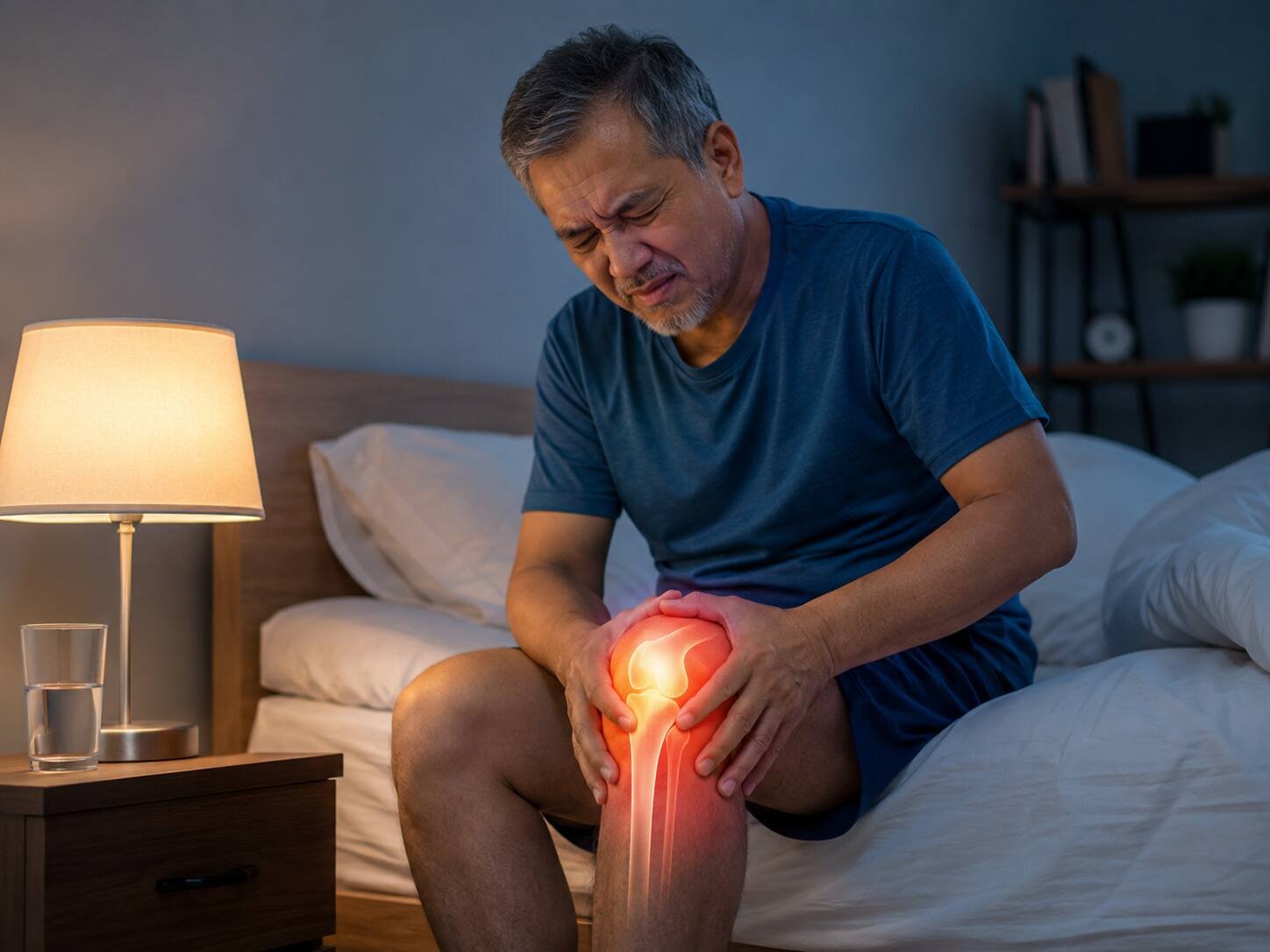
You finally get through a busy day, settle into bed, and instead of relaxing, your knee starts aching. Sound familiar? Many people experience Knee Pain at Night, even when they feel comfortable during the day. While occasional soreness after physical activity is common, pain that repeatedly interrupts your sleep deserves attention.
If your discomfort continues for several weeks or starts affecting your daily routine, it’s wise to consult an orthopedic specialist. People looking for advanced treatment options, including knee replacement surgery in rohini, should first receive a proper diagnosis to identify the exact cause. At Airmid Hospital, experienced orthopedic specialists focus on finding the root cause before recommending a personalized treatment plan. You can also find the hospital’s location through its official Google Business Profile.
Why Does Knee Pain Feel Worse at Night?
A lot of people ask this same question, and the answer isn’t really as mysterious as it might sound at first. During the day, your mind is kinda busy with work, talk, and movement. When you finally lie down , there are less distractions, so your brain picks up on pain more clearly. Also, daily activities can quietly trigger inflammation, which makes your knees feel more stiff after you’ve been on them for hours.
Your sleeping position might matter too. If your knee stays bent for long stretches or rests without good support, pressure on the joint can build up. Then that discomfort shows up more plainly.
In simple terms, your knee isn’t “getting worse” only at night… it’s just that you finally give it your full attention.
Also Read: What Causes Knee Pain in Females? Common Reasons & Treatment Options
Common Symptoms
Nighttime knee problems don’t always look the same. Some people experience mild discomfort, while others struggle to sleep because of severe pain.
Watch for these symptoms:
- Nighttime knee pain that wakes you up
- Knee pain while sleeping
- Aching knees at night
- Severe knee pain at night
- Persistent knee pain lasting several weeks
- Chronic knee pain
- A swollen knee
- A stiff knee after waking up
- Painful knee joint during movement
- Joint pain at night
- Leg pain at night
- Reduced flexibility
- Clicking or locking sensations
- Difficulty walking
If these symptoms continue, visiting an orthopedic surgeon hospital in rohini can help you receive an accurate diagnosis before the condition worsens.
What Causes Knee Pain at Night?
Several medical conditions can cause knee pain after sunset.
Osteoarthritis
Osteoarthritis is one of the more usual causes behind nighttime knee aches. Over time, the protective cartilage within the joint starts to wear down, sort of gradually. And that joint degeneration, it leads to stiffness, a steady kind of pain, and less motion, mainly after a more active day, or when you’ve been on your feet.
Rheumatoid Arthritis
Unlike the usual wear and tear arthritis, Rheumatoid Arthritis kicks in when the immune system decides to attack the normal, healthy joints. You may notice it with swelling, a sort of warmth in the area, and morning stiffness that just lingers, for quite a while, even after you wake up.
Bursitis
Small pocket-like, fluid filled sacs called bursae help cushion your joints. When they become a bit irritated, bursitis can show up , and it causes soreness plus pain that may start feeling more obvious when you’re resting.
Tendinitis
Tendinitis develops when tendons become inflamed after repetitive movement or overuse. Athletes, runners, and active individuals commonly experience this condition.
Meniscus Tear
A Meniscus Tear can happen after twisting the knee during sports or even while getting out of a chair awkwardly. Pain, locking, and instability are common symptoms.
ACL Injury and PCL Injury
An ACL Injury or PCL Injury often results from sudden changes in direction, sports injuries, or accidents. These injuries usually cause swelling and make the knee feel unstable.
Patellofemoral Pain Syndrome
Patellofemoral Pain Syndrome causes pain around the kneecap. Climbing stairs, squatting, or sitting for long periods often makes symptoms worse.
Baker’s Cyst
A Baker’s Cyst forms when excess joint fluid collects behind the knee. It may create tightness or discomfort, particularly when bending the leg.
Gout
Gout develops because of uric acid crystal deposits inside the joint. Pain often appears suddenly and becomes intense overnight.
Septic Arthritis
Although uncommon, Septic Arthritis is a medical emergency. It causes severe pain, fever, redness, and swelling and requires immediate treatment.
Also Read: How to Correct Bow Legs in Adults: Exercises, Treatment & Recovery Tips
How Is Knee Pain Diagnosed?
Finding the exact cause matters because every condition requires a different treatment approach.
An orthopedic specialist usually begins with a discussion about your symptoms, daily activities, previous injuries, and medical history.
Next comes a physical examination to check:
- Knee movement
- Joint stability
- Swelling
- Tenderness
- Walking pattern
Depending on your symptoms, your doctor may recommend:
- X-rays
- MRI scan
- Blood tests
- Ultrasound
These tests help identify cartilage damage, arthritis, ligament injuries, infections, and other joint conditions.
Patients considering knee replacement surgery in rohini should always undergo a complete orthopedic assessment before discussing surgical treatment options.
Treatment Options
Treatment depends entirely on the diagnosis.
Lifestyle Changes
Small daily habits often produce meaningful improvements.
- Maintain a healthy body weight.
- Stay physically active.
- Avoid sitting for long periods.
- Wear supportive footwear.
Physiotherapy
Targeted exercises improve flexibility, strengthen muscles, and reduce pressure on the knee joint.
Medication
Doctors may recommend anti-inflammatory medicines or pain relievers depending on the diagnosis. Always take medicines exactly as prescribed.
Ice and Heat Therapy
Ice reduces swelling after activity, while heat relaxes stiff muscles before movement.
Knee Braces
Braces can improve stability and reduce strain during daily activities.
Injections
For certain conditions, corticosteroid injections may help reduce inflammation and relieve pain temporarily.
Surgery
If severe joint damage limits your daily life and conservative treatment no longer helps, surgery may become the best solution.
People searching for knee replacement surgery in rohini should consult experienced orthopedic specialists who evaluate every treatment option before recommending surgery.
When Should You See a Doctor?
Don’t wait if you experience:
- Pain lasting longer than three weeks
- A swollen or warm knee
- Difficulty walking
- Fever with knee pain
- Sudden inability to move the knee
- Pain after a fall or accident
- Repeated sleep disturbance because of knee pain
Early treatment often prevents long-term complications and helps preserve joint function.
If you’re searching for an orthopedic surgeon hospital in rohini, choose a facility with experienced specialists, modern imaging services, and comprehensive rehabilitation support.
Tips to Sleep Better with Knee Pain
Simple adjustments can make a noticeable difference.
- Sleep with a pillow between your knees if you lie on your side.
- Avoid twisting your legs while sleeping.
- Stretch gently before bedtime.
- Apply ice after heavy activity if recommended by your doctor.
- Follow your prescribed exercise routine consistently.
Think of your knee as a car’s shock absorber. If you ignore unusual sounds long enough, the repair usually becomes bigger—and more expensive.
Conclusion
Knee Pain at Night really should not become some kind of everyday thing. Sure, some mild ache after extra physical activity can be totally normal, but if the pain keeps coming back and it even wakes you up , that can be a hint of things like Osteoarthritis , Rheumatoid Arthritis , Bursitis , Tendinitis , Meniscus Tear , Patellofemoral Pain Syndrome , Baker’s Cyst , Gout, or Septic Arthritis.
If you catch it early, doctors can suggest the correct treatment while the condition is still not fully underway. Depending on what’s happening, you might need physiotherapy , medication, small lifestyle adjustments, or even knee replacement surgery in Rohini. In general, getting timely orthopedic care helps protect your movement and daily comfort , so your quality of life doesn’t take a hit. Book your consultation today and take the first step toward healthier, pain-free movement. Our specialists are ready to answer your questions and recommend the most appropriate treatment for your condition.