



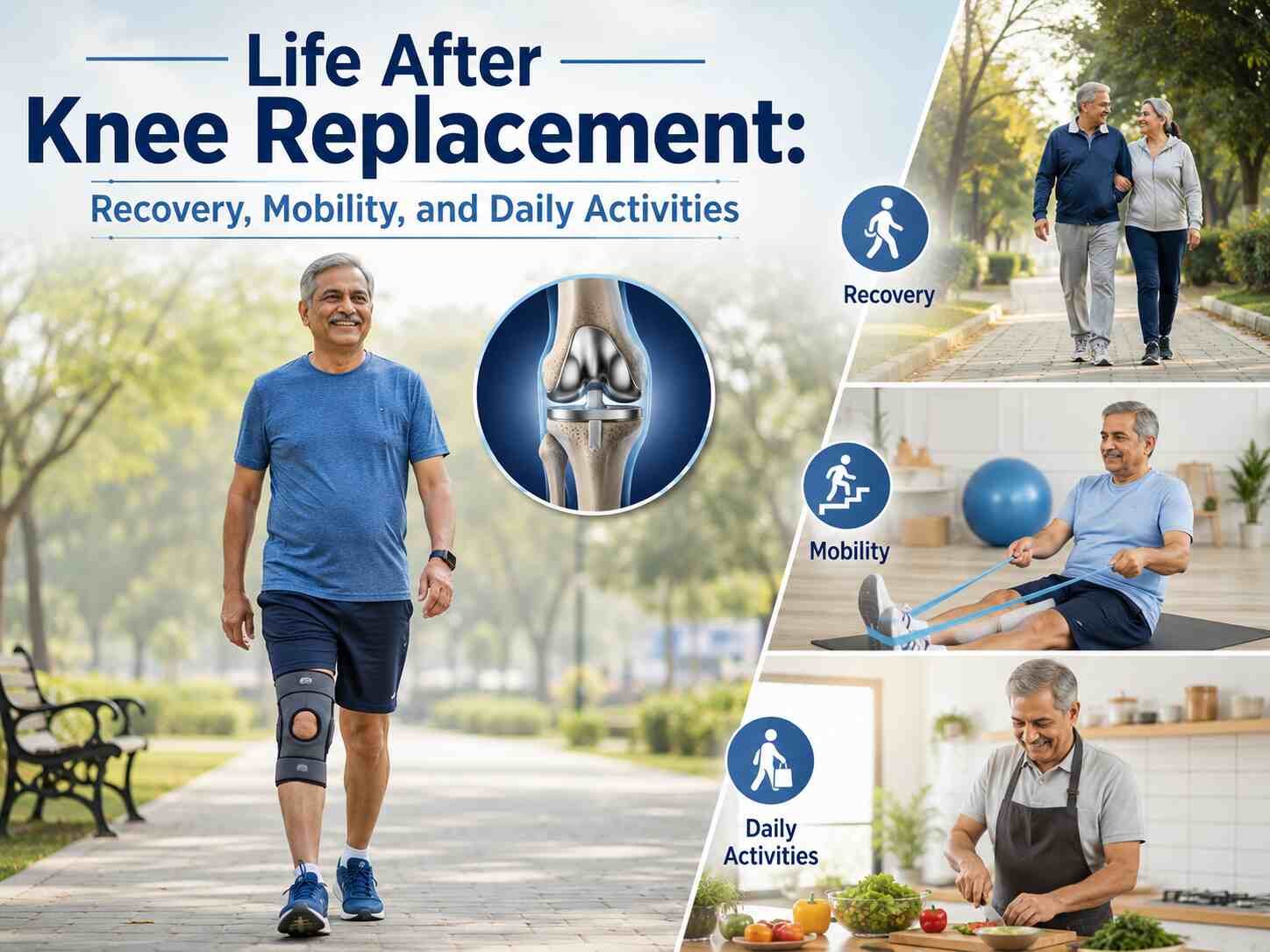
Undergoing Knee Replacement Surgery is a major step toward improving mobility, reducing discomfort, and returning to a more active lifestyle. Many patients often wonder what happens after the procedure and what life after knee replacement really looks like.
Recovery is not only about healing the surgical area. It involves rebuilding strength, improving movement, following rehabilitation plans, and gradually returning to daily activities.
Today, advanced medical care has made knee replacement recovery more structured and predictable. Patients who follow proper guidance from an experienced Orthopedic Surgeon and rehabilitation team can improve their mobility and regain confidence in their daily routine.
For patients searching for reliable treatment options, understanding procedures like knee replacement Surgery in Rithala can help them make informed healthcare decisions. You can find relevant healthcare support and location details through Airmid Hospital’s Google Business Profile.
Understanding Life After Knee Replacement
The journey after surgery is different for every patient. Factors such as age, overall health, muscle strength, lifestyle, and commitment to rehabilitation influence recovery.
A successful recovery focuses on:
- Improving knee movement
- Building muscle strength
- Reducing pain
- Restoring balance
- Returning to normal activities
A knee replacement procedure replaces damaged joint surfaces with an artificial component designed to improve joint function.
Patients usually undergo Total Knee Arthroplasty (TKA) when conditions such as severe Osteoarthritis, damaged cartilage, or long-term joint problems affect their quality of life.
The goal is not only pain relief but also helping patients move comfortably again.
Also Read: Knee Pain at Night: Symptoms, Diagnosis & Treatment Guide
Recovery Journey After Knee Replacement Surgery
First Few Weeks After Surgery
The early stage of recovery focuses on healing and safe movement. Many patients begin gentle activities under medical supervision soon after surgery.
During this stage, patients usually focus on:
- Managing swelling
- Controlling discomfort
- Improving knee flexibility
- Starting basic movement exercises
Following proper post knee surgery care instructions helps prevent complications and supports faster recovery.
Patients should remember that recovery is a process, not a competition. The knee does not need to run a marathon immediately; it first needs to learn comfortable movement again.
Knee Replacement Recovery Time: What to Expect
The knee replacement recovery time varies from person to person. Some patients regain basic mobility within weeks, while complete recovery may require several months.
The knee surgery recovery time depends on several factors, including:
- Patient health condition
- Activity level before surgery
- Commitment to rehabilitation
- Following doctor recommendations
During the knee replacement surgery recovery time, patients gradually increase their activities while focusing on safety.
Regular follow-up appointments allow doctors to monitor healing and make necessary adjustments to the recovery plan.
Importance of Rehabilitation After Knee Replacement
A structured Rehabilitation Program plays an important role in recovery. Rehabilitation helps patients improve strength, flexibility, balance, and overall movement.
Physiotherapy and Physical Therapy are commonly recommended after knee replacement because they support:
- Better joint movement
- Stronger muscles around the knee
- Improved walking ability
- Increased confidence during activities
The muscles around the knee support the new joint. Building muscle strength helps improve stability and long-term results.
Skipping rehabilitation may slow recovery, so patients should follow the exercise plan recommended by their healthcare team.
Improving Mobility After Surgery
One of the biggest goals after surgery is improving mobility after surgery. Simple activities like standing, walking, and climbing stairs become important milestones during recovery.
Patients often start with assisted movement and gradually progress toward independent walking.
Walking After Knee Replacement
Walking after knee replacement is an important part of recovery. However, patients should increase walking distance gradually.
Helpful tips include:
- Follow your physiotherapy routine
- Use support devices if recommended
- Avoid sudden pressure on the knee
- Maintain proper posture while walking
The aim is to improve movement safely while allowing the body to adapt.
Daily Activities After Knee Replacement
Returning to normal activities requires patience and consistency. Most patients gradually return to everyday tasks as their strength improves.
Common activities include:
- Walking independently
- Performing household tasks
- Driving after medical approval
- Returning to light recreational activities
However, patients should avoid activities that put excessive stress on the artificial joint unless approved by their doctor.
A healthy lifestyle, balanced nutrition, and regular exercise contribute to better long-term outcomes.
Pain Management and Comfort After Knee Surgery
Pain management is an important part of life after knee surgery. Some discomfort is expected during the early recovery period, but proper care helps patients manage it effectively.
Doctors may recommend different approaches depending on individual needs, such as:
- Prescribed medications
- Ice therapy
- Elevation techniques
- Physiotherapy exercises
- Activity adjustments
The goal of pain management after surgery is to help patients participate in rehabilitation and gradually improve movement.
Patients should communicate openly with their healthcare team about discomfort. Small concerns are easier to manage when addressed early.
Understanding Knee Implant and Long-Term Care
A Knee Implant is designed to replace damaged joint surfaces and support improved movement. Modern implants are developed to provide stability and help patients return to daily activities.
However, taking care of the artificial joint remains important.
Long-term care includes:
- Maintaining a healthy body weight
- Staying physically active
- Following exercise recommendations
- Attending follow-up appointments
- Avoiding unnecessary stress on the joint
The artificial joint works best when patients maintain good habits and protect their overall health.
Role of an Experienced Orthopedic Team
The success of knee replacement recovery honestly depends on a handful of things like surgical expertise, support during rehab and also how committed the patient is. An experienced Orthopedic Surgeon will first look at how the knee is doing, understand what the patient actually wants to get back to, and then draft a suitable treatment pathway.
If you are searching for guidance about knee replacement Surgery in Rithala, you can check out professional healthcare support through the Airmid Hospital Google Business Profile location. There is also a skilled healthcare team that stays with patients all through the process, starting from diagnosis , and surgery planning then rehabilitation and recovery too.
And for anyone asking about a joint replacement specialist in Rithala, they can help patients get a clear picture of their condition, break down treatment options, and explain what the expected recovery process usually looks like.
Before and After Knee Replacement Surgery: Lifestyle Changes
The difference between before and after knee replacement surgery can be significant for many patients.
Before surgery, people may experience:
- Difficulty walking
- Reduced physical activity
- Persistent knee discomfort
- Challenges with daily tasks
After successful recovery, many patients experience:
- Improved mobility
- Better independence
- Increased confidence
- Easier participation in daily activities
However, surgery is only one part of the journey. Maintaining healthy lifestyle habits helps protect the new joint.
Recommended lifestyle changes may include:
- Regular low-impact exercises
- Maintaining healthy weight
- Balanced nutrition
- Avoiding excessive joint stress
Exercises After Knee Replacement
Regular movement plays an important role in restoring knee function. Doctors and physiotherapists usually recommend exercises based on the patient’s recovery stage.
Common exercises may focus on:
- Improving flexibility
- Strengthening leg muscles
- Supporting balance
- Increasing knee movement
Patients should perform exercises after knee replacement according to professional guidance.
Every person has a different recovery speed. Comparing your progress with others can create unnecessary stress. Recovery is personal, and consistency matters more than speed.
Also Read: How to Correct Bow Legs in Adults: Exercises, Treatment & Recovery Tips
Common Mistakes to Avoid During Recovery
A successful recovery requires patience and discipline. Some common mistakes patients should avoid include:
Doing Too Much Too Soon
Feeling better does not always mean the knee is fully recovered. Increasing activity too quickly may create unnecessary pressure.
Skipping Physiotherapy
Rehabilitation exercises help restore strength and movement. Avoiding therapy can affect recovery progress.
Ignoring Medical Advice
Follow-up visits and doctor recommendations help ensure proper healing.
Poor Lifestyle Choices
Maintaining unhealthy habits can affect joint health and overall recovery.
Small, consistent steps create better long-term results.
How Knee Replacement Improves Quality of Life
The main goal of Joint Replacement is to help patients return to comfortable movement and improve their quality of life.
A healthy knee supports many daily activities, including walking, standing, and maintaining independence.
After recovery, many patients enjoy:
- More active lifestyles
- Better mobility
- Increased confidence
- Reduced limitations
The replacement procedure does not simply focus on the knee joint. It supports overall well-being by helping people participate more fully in their everyday lives.
Future of Knee Replacement Care
Medical advancements continue to improve joint care. Technologies such as robotic assistance, improved imaging, and advanced surgical techniques are helping doctors provide more personalized treatment.
Modern knee care focuses on:
- Better accuracy
- Faster recovery planning
- Improved patient comfort
- Long-term joint performance
As healthcare technology develops, patients can expect continued improvements in treatment quality and recovery support.
Conclusion: Life After Knee Replacement
Life after knee replacement is kind of a journey, where you need patience, rehab, and a real commitment. In the end recovery really leans on the right medical guidance, doing your exercises regularly, and choosing healthier daily habits.
A knee replacement can help people get past movement limits that happen because the joint is damaged, and it can make everyday actions easier. If someone follows the right plan , many patients manage to come back to a more active routine, and stay independent longer.
In the early phase, during recovery plus physiotherapy, through the later years of joint maintenance, each step kind of matters a lot for better outcomes.
If you are looking for expert help with knee related issues, you can reach out to Airmid Hospital, for professional support and detailed treatment information.