



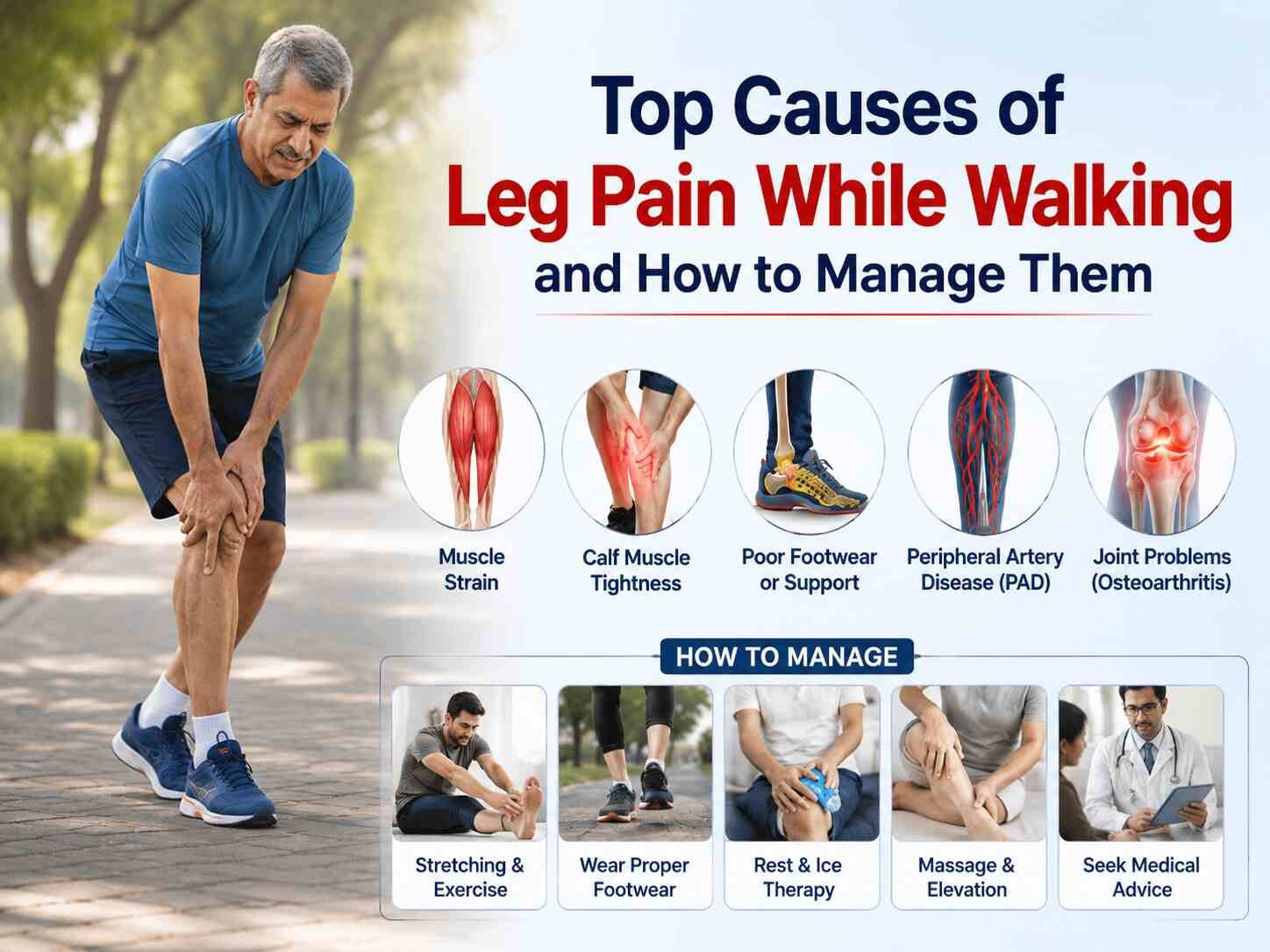
Experiencing leg pain while walking can make even simple daily activities feel challenging. Whether the discomfort appears after a short walk or gradually increases throughout the day, it should not be ignored. Healthy legs support mobility, balance, and independence, so persistent pain deserves proper medical attention.
Many conditions can cause pain while walking, including muscle strain, joint disorders, nerve problems, and circulation issues. Identifying the underlying cause is the first step toward effective treatment.
People searching for expert orthopedic care or a joint replacement specialist in Rohini can explore healthcare services through Airmid Hospital’s Google Business Profile. Early diagnosis often helps prevent minor issues from becoming more serious.
This guide explains the common causes of leg pain, symptoms to watch for, treatment options, and practical ways to manage discomfort while improving mobility.
Why Does Leg Pain While Walking Occur?
Walking requires your musculoskeletal system to work as one coordinated unit. Your bones, muscles, joints, ligaments, tendons, and nerves all contribute to smooth movement.
If any of these structures become injured or affected by disease, pain may develop during walking.
The discomfort may feel like:
- Sharp pain
- Dull aching
- Burning sensation
- Muscle cramps
- Stiffness
- Weakness
- Swelling
Pain may affect the calf, thigh, knee, ankle, or the entire lower leg depending on the underlying condition.
Also Read: Life After Knee Replacement: Recovery, Mobility, and Daily Activities
Common Causes of Leg Pain While Walking
1. Muscle Strain
A Muscle Strain is one of the most common causes of leg muscle pain.
It usually occurs because of:
- Overuse
- Sudden physical activity
- Heavy exercise
- Poor warm-up
Muscle strain often causes soreness, tenderness, and pain during movement.
Most mild cases improve with adequate rest and guided rehabilitation.
2. Osteoarthritis
Osteoarthritis gradually wears away the protective cartilage inside joints.
As cartilage becomes thinner, walking may become painful due to increased friction between joint surfaces.
Symptoms include:
- Joint stiffness
- Pain while walking
- Reduced flexibility
- Swelling around joints
Many older adults experience walking difficulty because of osteoarthritis affecting the knees or hips.
3. Rheumatoid Arthritis
Unlike osteoarthritis, Rheumatoid Arthritis is an autoimmune disease.
It causes inflammation inside the joints, leading to:
- Pain
- Morning stiffness
- Swelling
- Reduced joint movement
Without proper management, joint damage may progress over time.
4. Sciatica
Sciatica develops when the sciatic nerve becomes irritated or compressed.
Instead of pain starting in the leg itself, discomfort usually begins in the lower back before travelling through the buttock and down the leg.
Common symptoms include:
- Burning pain
- Tingling
- Numbness
- Leg weakness
Walking, prolonged sitting, or certain body positions may worsen symptoms.
5. Peripheral Artery Disease (PAD)
Peripheral Artery Disease (PAD) affects blood circulation to the legs.
Reduced blood flow means muscles receive less oxygen during walking.
This often causes:
- Calf pain while walking
- Cramping
- Fatigue
- Pain that improves with rest
PAD requires medical evaluation because it may also indicate cardiovascular disease.
6. Deep Vein Thrombosis (DVT)
Deep Vein Thrombosis (DVT) occurs when a blood clot forms inside a deep vein.
Possible warning signs include:
- Swollen legs
- Warm skin
- Tenderness
- Sudden pain
DVT requires immediate medical attention because untreated blood clots can become dangerous.
7. Varicose Veins
Varicose Veins may also contribute to lower leg pain, heaviness, and swelling after prolonged standing or walking.
Symptoms often improve after resting with the legs elevated.
Ligament and Tendon Injuries
A Ligament Injury or tendon problem may develop during sports, sudden twisting movements, or accidents.
Pain often increases when walking because damaged tissues become stressed during movement.
Proper diagnosis helps determine whether physiotherapy or additional treatment is required.
When Should You See an Orthopedic Surgeon?
Occasional soreness after physical activity usually improves within a few days.
However, consult an Orthopedic Surgeon if you experience:
- Severe pain
- Persistent walking difficulty
- Leg weakness
- Repeated swelling
- Inability to bear weight
- Sudden numbness
Patients searching for a joint replacement specialist in Rohini can explore consultation options through Airmid Hospital Google Business Profile.
Early diagnosis often leads to better treatment outcomes.
How Doctors Diagnose Leg Pain While Walking
Finding the exact cause of leg pain while walking is important because different conditions require different treatments. An accurate diagnosis helps create an effective treatment plan and reduces the risk of long-term complications.
An Orthopedic Surgeon usually begins with:
- Medical history review
- Physical examination
- Assessment of walking pattern
- Joint and muscle evaluation
If needed, additional tests may include:
- X-rays
- MRI scans
- Ultrasound
- Blood tests (when inflammatory conditions are suspected)
These investigations help identify problems affecting the bones, joints, muscles, ligaments, tendons, nerves, or blood circulation.
Also Read: Knee Pain at Night: Symptoms, Diagnosis & Treatment Guide
Treatment Options for Leg Pain
The right leg pain treatment depends on the underlying cause. Some patients recover with conservative care, while others may require advanced orthopedic treatment.
Medication
Doctors may recommend medicines to reduce inflammation and improve comfort when appropriate.
Medication should always be taken according to medical advice.
Physiotherapy
A Physiotherapist plays an important role in improving recovery.
Physiotherapy focuses on:
- Improving mobility
- Restoring movement
- Building muscle strength
- Improving flexibility
- Correcting walking patterns
A personalized rehabilitation plan helps patients return to their normal routine safely.
Lifestyle Changes
Simple daily habits can reduce stress on the legs.
Helpful recommendations include:
- Maintaining a healthy weight
- Wearing supportive footwear
- Staying physically active
- Stretching regularly
- Avoiding prolonged sitting
Healthy lifestyle choices support better joint and muscle function over time.
Surgical Treatment
Some orthopedic conditions kinda need surgery when conservative management doesn’t really give enough improvement.
For example, if severe joint damage happens due to osteoarthritis, it may, later on, require a knee replacement surgery in Rohini after an orthopedic specialist evaluates the case.
People who are searching for experienced orthopedic care, or a joint replacement specialist in Rohini, can check the healthcare details and location information through Airmid Hospital’s Google Business Profile .
The treatment plan always depends on the patient condition, symptoms, and overall health, so it can differ from person to person.
Tips to Prevent Leg Pain While Walking
Many causes of leg pain can be reduced through healthy habits.
Stay Active
Regular physical activity improves circulation, strengthens muscles, and supports healthy joints.
Strengthen Leg Muscles
Exercises recommended by a healthcare professional improve stability and reduce injury risk.
Stretch Before Exercise
Stretching prepares muscles and tendons for activity and reduces the chance of strain.
Wear Comfortable Footwear
Proper footwear provides support and reduces unnecessary pressure on the legs.
Manage Chronic Conditions
People living with arthritis, diabetes, or circulation disorders should follow regular medical care to reduce complications affecting mobility.
Small preventive steps often provide long-term benefits.
When Should You Seek Immediate Medical Care?
Some symptoms require urgent medical evaluation.
Seek immediate medical attention if you experience:
- Sudden severe leg pain
- Significant swelling
- Redness with warmth
- Inability to walk
- Loss of sensation
- Sudden weakness
- Suspected injury after an accident
Early treatment can prevent serious complications and improve recovery.
Living an Active Life After Leg Pain
Getting over leg pain is basically slow work, and it really needs patience and consistency. Usually most folks can ease back into their daily routine by sticking to the medical advice they got, plus the rehab plan they were given, step by step.
As you keep going, walking should feel a bit less uncomfortable, not all at once , but as strength, steadiness, and flexibility rise over time.
This recovery isn’t about rushing or forcing it. More like: building sound movement, one little step, then the next.
And don’t skip the regular check ins. They help track what’s happening , and then adjust the treatment when it’s truly needed.
Conclusion: Top Causes of Leg Pain While Walking and How to Manage Them
Leg pain during walking can happen from muscle strain or small injuries, sometimes from joint issues, nerve problems, blood flow disruptions, or even inflammatory diseases. Even if the discomfort comes and goes , and may feel better after resting a while, if it keeps showing up it should not just be brushed aside.
Getting an early diagnosis is useful because it lets healthcare teams pinpoint the real reason, and then suggest the right course of action. Depending on what’s going on, the help might be physiotherapy , certain medications, gradual lifestyle adjustments, or more advanced orthopedic procedures. When it’s handled quickly , mobility tends to recover better and overall everyday life quality improves.
If your symptoms continue or interfere with daily activities, consult an experienced orthopedic specialist. Contact Airmid Hospital to receive accurate diagnosis, personalized treatment, and expert guidance for long-term recovery. Our team is committed to helping you restore mobility and return to your daily routine with confidence.